¿No sabes si guardarlo o dejarlo ir?
Cuando ordenas la casa, algunas cosas son fáciles de decidir. Otras — el montón de «no sé» — te frenan. Esta guía te ayuda a resolver esas dudas con criterio en lugar de a ojo.
Añadir cosas dudosas
Inicia sesión para añadir tus propios objetos
En revisión
3 objetos activosEstos son ejemplos. Inicia sesión para añadir los tuyos.

Blue Velvet Blazer
Revisar antes del Aug 5, 2026
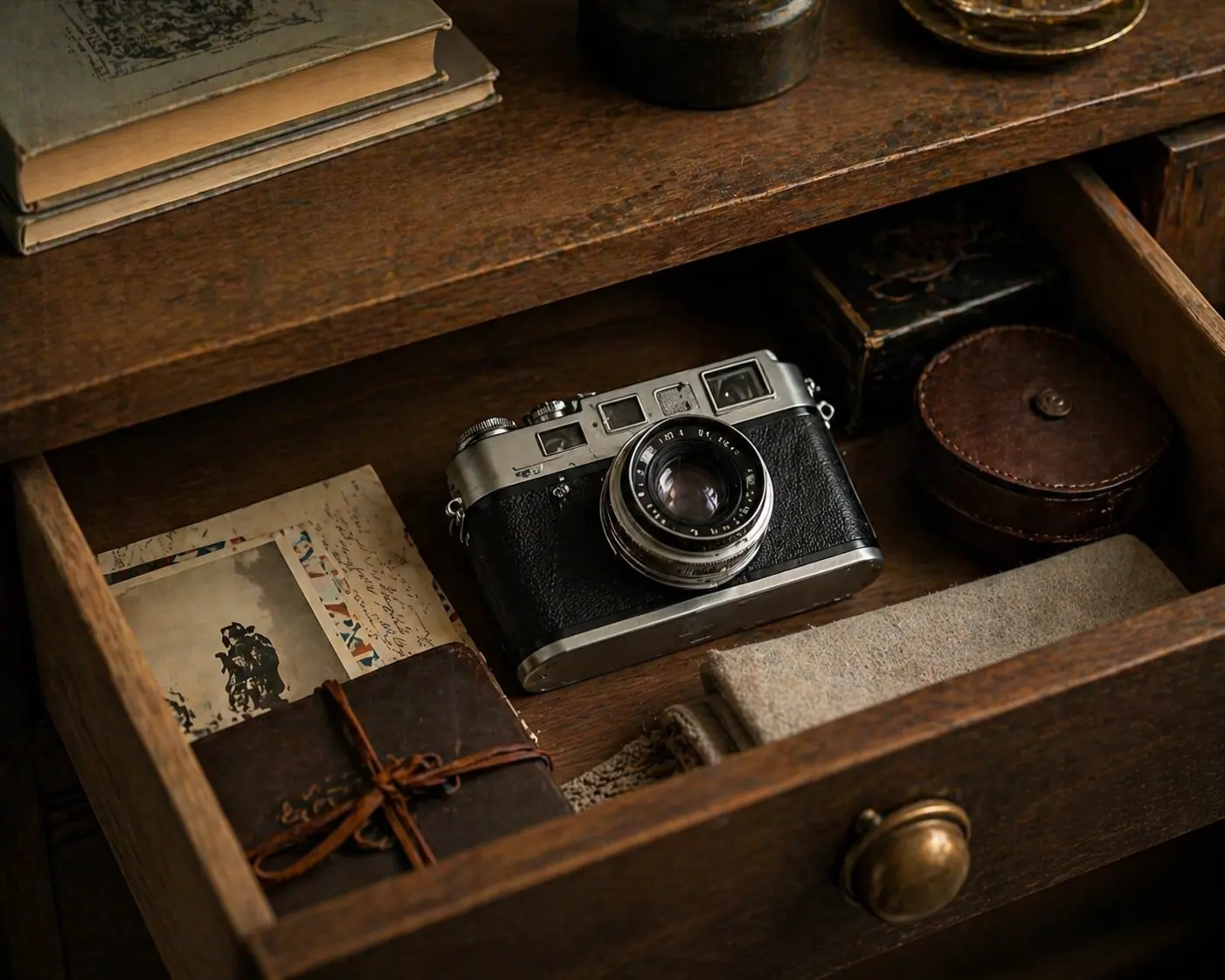
Vintage Camera
Revisar antes del Aug 23, 2026
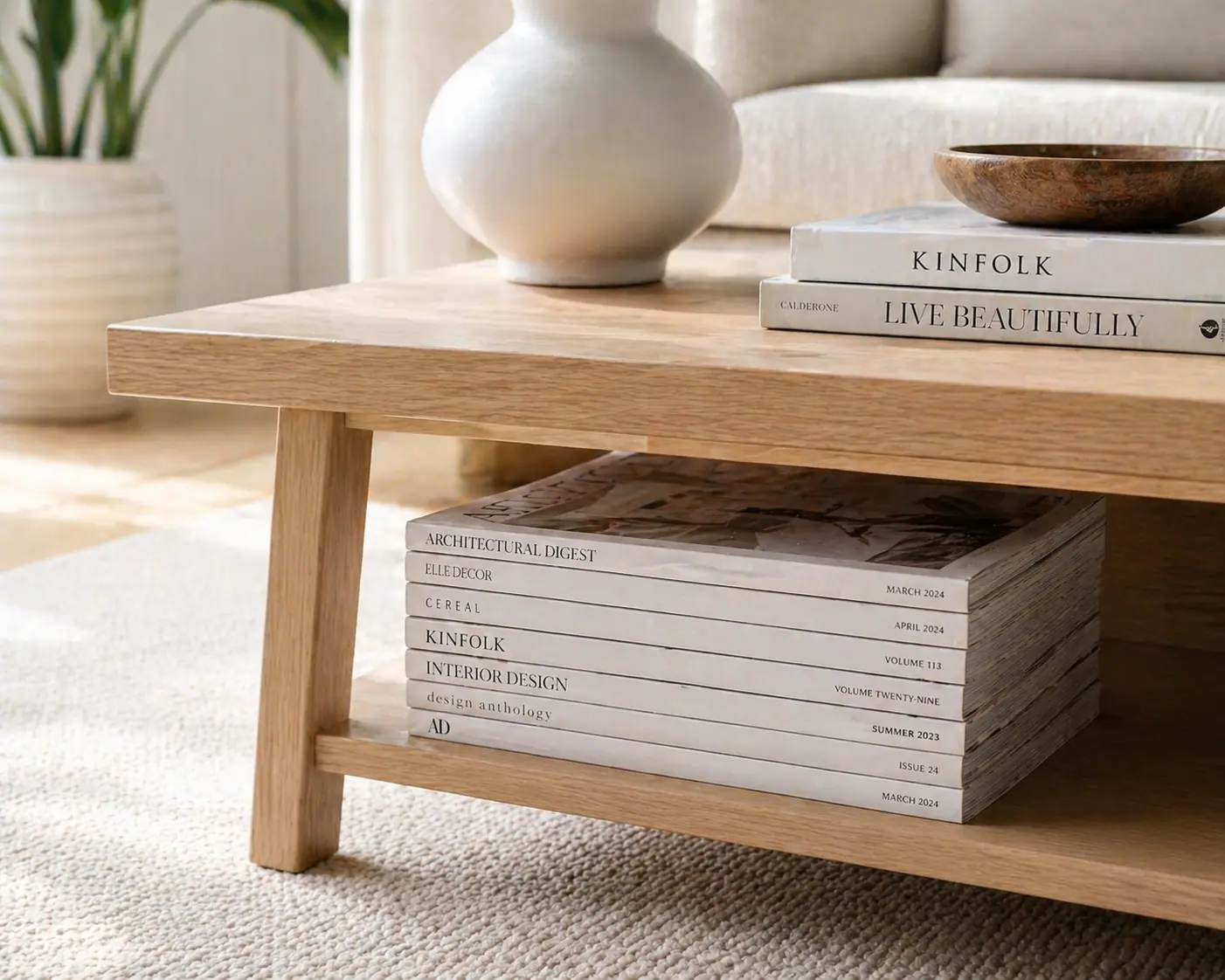
Design Magazines
Revisar antes del Jul 24, 2026
Cómo funciona esta guía
Añade las cosas que te generan dudas
Apunta rápido todo lo que no consigues decidir: ropa que no te pones, aparatos que acumulan polvo, libros que quizá leas algún día.
Ponle un plazo a cada cosa
Date un tiempo concreto. Un mes, dos meses, lo que te encaje. Si para entonces no lo has usado, ya tienes la respuesta.
Recibe un aviso cuando toque decidir
Te enviamos un correo cuando venza el plazo. Para entonces sabrás si se ha ganado un sitio en tu vida o si toca soltarlo.
Por qué funciona este enfoque
Elimina la fatiga de decidir
En vez de sufrir con cada objeto, aplazas las decisiones difíciles a tu yo futuro — con un plazo real para que no se te olvide.
El uso es el mejor filtro
Si de verdad no has tocado algo en dos meses, la respuesta está clara. El tiempo revela lo que importa mejor que cualquier regla.
Los avances pequeños dan impulso
Cada objeto que decides — guardar o soltar — es un avance. Ese impulso te lleva por el resto del proceso.
Cómo decidir: ¿guardar o soltar?
Cuando llegue el plazo, hazte estas tres preguntas:
Si la respuesta es no en dos o más, toca soltarlo. Sin culpa — solo espacio para lo que de verdad importa.
¿Listo para atacar el montón de dudas?
Empieza a usar esta guía hoy. Añade las cosas que no tienes claras, ponles un plazo y deja que el tiempo te ayude a decidir.
How to use this decision guide
Use the guide for anything that feels useful, expensive, or emotionally loaded
This page works best when you move doubtful items out of your active space instead of forcing an immediate yes-or-no decision. The goal is not to keep more things. The goal is to stop low-grade indecision from clogging your home.
Put only true maybes into the timer system
Trash, duplicates, broken items, and obvious noes do not need a deadline. Reserve this guide for the items that are still creating mental friction because they might be useful, sentimental, or identity-loaded.
Keep the maybe zone small and visible
A single box, shelf, or basket is better than letting undecided items spread across different rooms. Containment makes the experiment real and gives Google a clearer topic cluster on this page.
Pair the guide with room-by-room cleanup
The decision guide is strongest when it supports action elsewhere. Use it to remove hesitation from bedrooms, kitchens, closets, and home offices without leaving those rooms full of pending choices.
Decision guide FAQ
What kinds of items belong here?
Good candidates are sentimental objects, expensive mistakes, backup gadgets, hobby supplies, and clothes you feel unsure about. If the item is clearly trash or clearly useful, do not send it here.
How long should I give a maybe item?
Long enough for real life to reveal the answer. For everyday household items, a few weeks to a few months is usually enough. If the deadline passes and nothing changed, that is the signal.
What should I read next if indecision is tied to a room?
Switch to a room guide or checklist once the hesitation is contained. The checklist, sentimental-items guide, and ADHD-friendly cleaning checklist are the best next steps depending on what is slowing you down.